I'm an event designer specialising in 3D renders, production design and creative content for live, hybrid and virtual events. I design spaces that look stunning in a render and actually work on the day. Beyond the 3D, I handle the full visual layer of an event: presentation design, motion graphics and animated screen content, event branding, social media and landing pages .
Find web design gigs in Melbourne
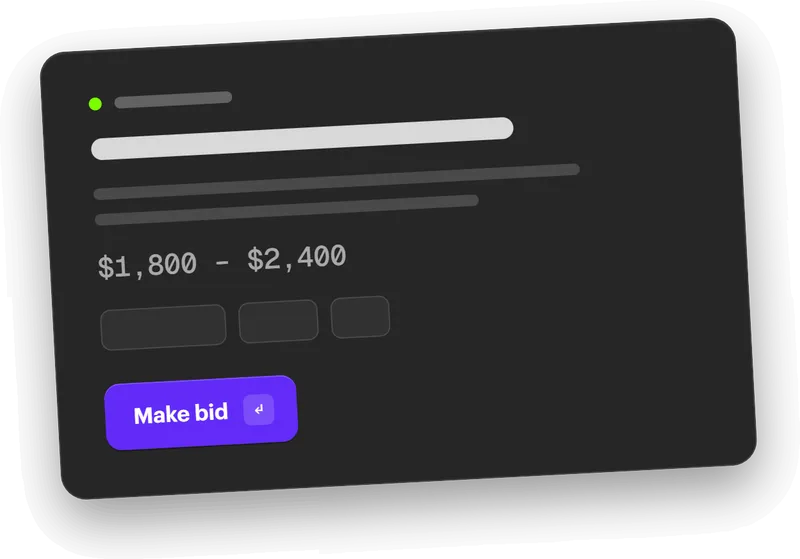
Browse local gigs, pop in a bid, get paid securely through Stripe. No offshoring, no race to the bottom.
Get inspired: top web designers in Melbourne
Real freelancers earning on Unjumble right now, ranked by verified rating and reviews. Your profile could sit here too.
Hi! I'm a UX/UI and presentation designer helping startups and businesses turn ideas into clear, engaging, and visually impactful designs. I work on pitch decks, business presentations, websites, landing pages, and digital products. Whether you have a rough idea, a content-heavy document, or an existing design that needs a refresh, I can help bring it to life. I enjoy simplifying complex information and creating designs that look great, communicate clearly, and align with your brand and business goals.
Senior performance marketing strategist, 7 years across agency and in house roles, including guiding junior team members, running Google and Meta Ads across a wide range of industries. I don't just run ads, I look at the whole picture, tracking, site, offer, to find what's really holding results back. Recent work: grew a B2B client's leads from 76 to 371 a month while cutting cost per lead from $15.62 to $8.04, and took their EOFY campaign to 13.4x, up from 3.2x the year before. I work solo, respond fast, and care about results that actually mean something, not vanity metrics.
I’m a graphic designer and marketing professional with a focus on branding, editorial, print, posters, album artwork, web design and digital content. I bring together creative thinking and commercial insight to develop distinctive, considered design that communicates with purpose and resonates with its audience.
Melbourne based performance marketer with years of experience turning ad budgets into growth for local businesses and national brands. I plan, build and manage high performing campaigns across Google Ads, Meta Ads, Facebook and Instagram, TikTok, Performance Max, Google Shopping and programmatic. Skilled in paid search (SEM), paid social, PPC, lead generation, ecommerce, retargeting, landing page optimisation and conversion tracking with GA4, Google Tag Manager and Looker Studio. Experienced across retail, FMCG, property, hospitality and nonprofit. Strategy to reporting, handled end to end.
What do web designers charge?
Join free, build your profile and start bidding on web design gigs near you.
Why join Unjumble?
Businesses post, local freelancers do the work. Sign up takes less time than making a coffee.
Local gigs, real budgets.
01Every gig comes from an ABN-backed Australian business. No offshore undercutting, no USD invoices, no 3am time zones.

You set the rate.
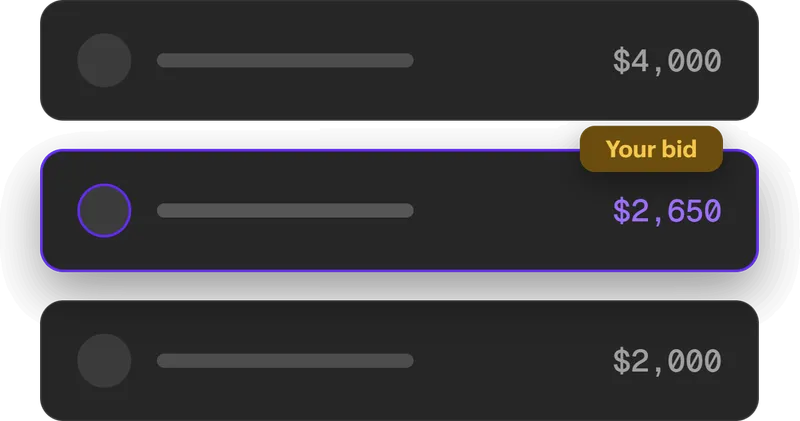
02Set your price on every bid: time-based or outcome-based. No race to the bottom.

Paid securely, no chasing.
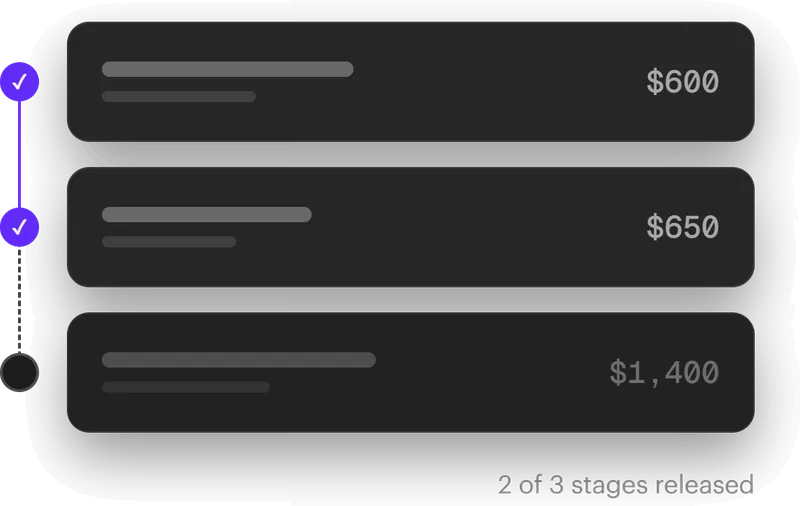
03Funds are locked by stage in Stripe before you start, released as each stage is signed off. Security you'll get paid for work done.

More ways to earn on Unjumble
Web design gigs
Typically $66–$123/hr in Sydney*
Website UI/UX design gigs
Typically $66–$123/hr in Sydney*
*Indicative freelancer rates in Australia, not marketplace earnings. Your rate is yours to set.
Web design gigs, questions
Most web designers on Unjumble charge $60 to $120 an hour, and a typical small business site runs $2,500 to $7,000 as a gig. Take on two or three gigs a month and you are into real money; plenty of designers run it alongside agency or in-house work. You set your own rate on every bid, and there is no race to the bottom against offshore accounts.
Small business marketing sites are the bread and butter: 5 to 8 pages, brief to launch in a few weeks. After that it is landing pages for campaigns, Shopify stores, redesigns of tired sites, and Webflow or WordPress builds. Businesses in Melbourne also post a steady run of smaller gigs, fix-ups, speed work and new pages on existing sites, which are great for filling gaps between bigger builds.
Most designers bid outcome-based: a fixed price for an agreed scope, split into stages (design, build, launch). Scope the revision rounds up front, two or three is normal, and price the extras (content writing, extra pages, SEO setup) as line items rather than absorbing them. For open-ended work, bid time-based and track the hours. Underquoting to win a gig usually costs you the margin AND the review.
Figma for design, then at least one build platform done well: Webflow, WordPress or Shopify cover most briefs (Framer is growing fast). Beyond the build, the designers who win repeat work know the basics of Google Analytics and Search Console, page-speed tuning, and how to hand a site over so the owner can edit it themselves. Mention the platforms you build on in your bids; businesses search for them by name.
Live sites you have shipped, not mockups; they will open them on their phone, so make sure your portfolio loads fast. A bid that shows you read the brief beats a cheaper generic one almost every time. After your first few gigs, your verified reviews and completion history do most of the selling.
Almost never for web design; most gigs run end to end through chat and a video call or two. Being local still matters though: businesses pick local freelancers because you are in their timezone, you know the market, and they can call you. Some will want one face-to-face for a bigger build.
New freelancers get a fair go in our ranking, you are not buried under established profiles, and a Just joined call-out tells businesses you are fresh, not flaky. Stack the deck: put your three best live sites in your portfolio, bid early (first bids get read first), and write each bid to the brief. One finished gig with a good review changes everything from there.
A web design gig is usually outcome-based, split into stages agreed up front. The business funds each stage before you start, the money is held securely through Stripe, and it is released to you when the stage is signed off. No chasing invoices, no doing the build and hoping.