8+ years digital marketing experience - SEO, SEM, social strategy & content, lead gen, AI readiness & optimisation
$188/hr Indicative. Bids set the price.
Post a gig in 60 seconds, get bids from back-end development freelancers across Australia. You pick the one that fits.
Ranked by verified rating, review volume, proximity and profile completeness. Every freelancer who works on Unjumble has an ABN connected and an Australian mobile.
8+ years digital marketing experience - SEO, SEM, social strategy & content, lead gen, AI readiness & optimisation
Crom — Ships fixed-scope remote packs: • Independent code / PR / prompt audits • Private job status page as the client channel (Q&A, scope, updates, handoff) • Contained API / webhook / REST work • Small Next.js UI slices • Workflow Agent Pack: specialist agents for one workflow on your tools (you keep runtime costs) Clear scope, fixed price, ETA. Samples: GitHub: Remote AWST. English. Prefer short fixed gigs over open retainers.
SmartArts Design help Australian small businesses generate more enquiries through websites, branding and digital marketing.
Webdeveloper + Lead page optimiser
Founder & Director at Aryal® Technologies - Your technical partner for building powerful platforms, integrations and digital systems.
Hey neighbour👋 Josh here. I’m a Melbourne-based dev with 10+ years of experience managing sites for Telstra, ANZ, and government. I build high-converting, instant-loading websites, eCommerce stores, and custom AI/automation tools for local businesses - strictly no outsourcing. Learn more and see my portfolio at about/josh
Senior full-stack software engineer with 15+ years of experience building reliable web, cloud, and SaaS products. I specialise in scalable web applications, cloud platforms, and end-to-end product development using TypeScript, React, Next.js, Node.js, NestJS, SQL, AWS, and CI/CD. I also build cross-platform mobile and desktop applications for iOS, Android, Windows, and desktop environments. My strengths include system design, legacy modernisation, and turning complex requirements into practical, maintainable software.
I'm the Founder and Technical Director of Little Dash, a digital delivery agency based in Brisbane working with agencies and ambitious businesses across Australia. At Little Dash, we're brought in when complexity matters, building platforms from the ground up, stabilising existing systems, or taking on projects that require both technical depth and structured delivery. Our stack centres on React.js, Payload CMS, and WordPress. I combine hands-on technical expertise with a strong design sensibility, which means clients get solutions that are built right and look right.
Pick a city to see who works nearby and what a back-end development costs there.
Post a gig. Pick a local freelancer. Pay in stages. All in one web app. Finding great help shouldn't be hard work.
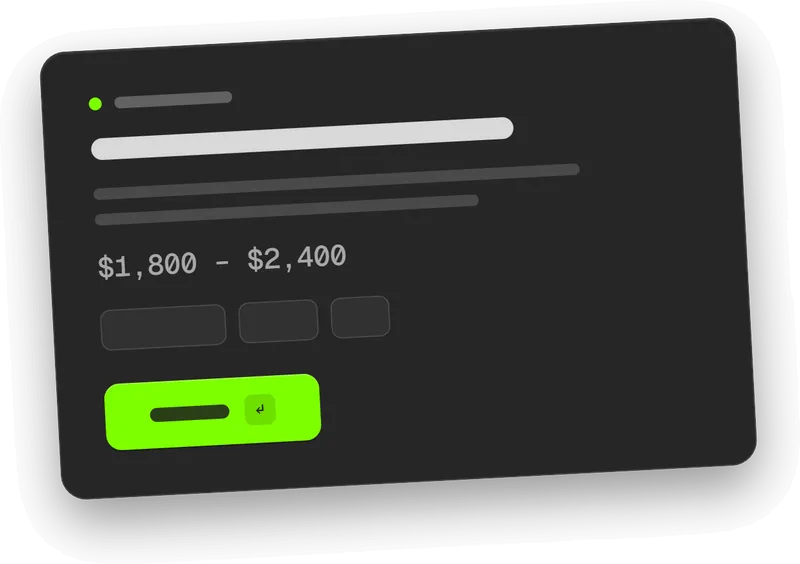
Tell us what you need, time-based or outcome-based. Takes 60 seconds and it's free to post.
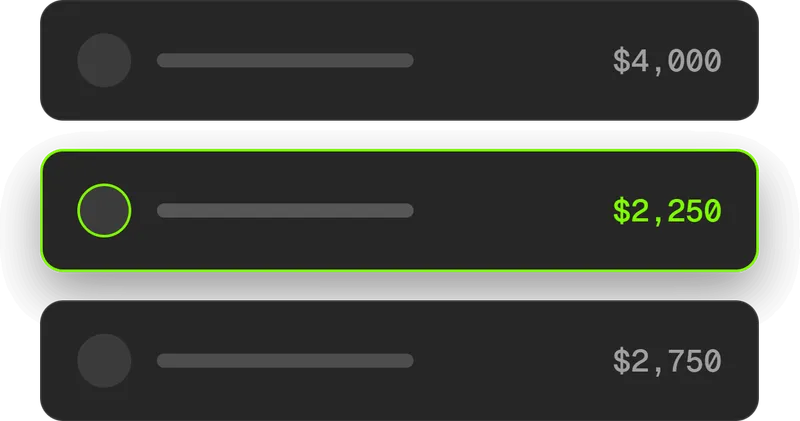
Compare bids from local freelancers, view portfolios and past work.
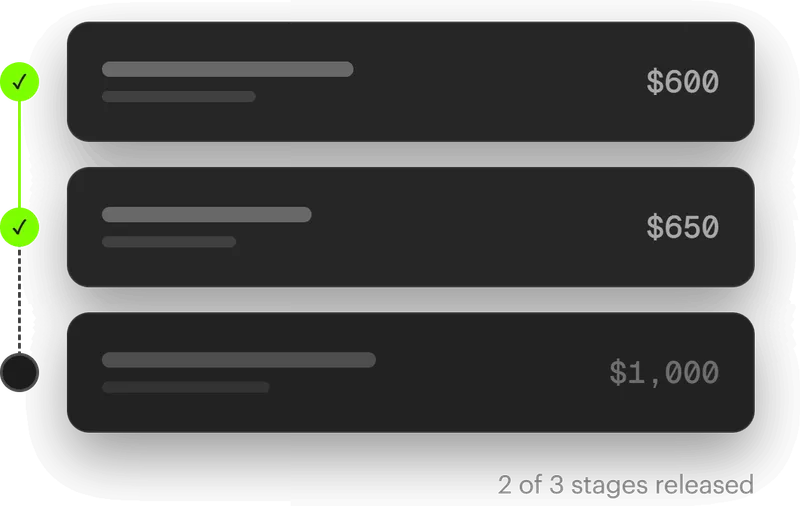
When the work lands and you're happy, sign it off and release the payment securely through Stripe. Done and dusted.
The server-side half of a product: the database, the APIs your app or site calls, the business logic, user accounts and authentication, and the integrations with third-party services like Stripe, your CRM or an email tool. It's the part users never see, but it's what keeps the product reliable. A proper gig also includes testing, deployment to your hosting, and a handover so the code, the repository and the server logins end up in your name.
Front-end is everything the user sees and clicks, the interface in the browser or app. Back-end is the engine behind it: the database, the APIs, the logic that processes a payment or saves an order. When you submit a form, the front-end collects it and the back-end stores and acts on it. Small sites with no accounts or data barely need a back-end. Anything with logins, payments or stored records does, and you want a back-end developer for it.
It depends on the brief, not the developer's habit. Common choices are Node.js, Python (Django or FastAPI), Ruby on Rails, PHP (Laravel) and Go, paired with a database like PostgreSQL, MySQL or MongoDB. Plenty of products run on managed back-ends like Supabase or Firebase to move faster. A good developer recommends a stack off your actual requirements, your budget and who'll maintain it later, then explains the trade-offs in plain English.
An API is the set of endpoints your front-end, mobile app or another service calls to read and write data. You need one whenever something other than the database itself talks to your back-end: a web app fetching a user's orders, a mobile app logging someone in, or a partner pulling your stock levels. If you're building a product with both a website and an app, a clean API is what lets them share the same back-end instead of you building it twice.
A small API with a database and a few endpoints can be stood up in 2 to 4 weeks. A full back-end for a product with accounts, payments, roles and third-party integrations usually runs 2 to 5 months for a first working version. The slow parts are usually the edge cases (what happens when a payment fails, how refunds work, who can see what), so nail those rules down in the brief before the build starts.
Often, yes, and it's a smart way to start. Tools like Supabase, Firebase, Xano and Airtable give you a database, authentication and APIs without writing the plumbing yourself, which is plenty for an early product or an internal tool. The catch comes when you need custom logic, heavy data, tight performance or full control, where managed tools get expensive or hit a wall. A common path is to start on a managed back-end, then have a developer build out the custom parts once the business case is proven.
Ask how they handle the basics: passwords hashed not stored, data validated on the server, secrets kept out of the code, and access locked down so users only see their own records. For load, the questions are whether the database is indexed sensibly and whether the work can grow without a rewrite. You don't need to understand the answers in detail, but a good developer can explain them plainly, and that explanation tells you a lot.
You do. The code, the repository, the database, the server or hosting account and any third-party logins (Stripe, analytics, email) should all sit in your name at handover, along with a doc on how to run and deploy it. Write that into the gig brief before work starts. On Unjumble, handover is a standard stage you sign off before the final payment is released.
Freelance back-end developers in Australia typically charge $100 to $188 an hour, depending on experience and specialty. Priced by scope, a small API with a database often lands around $3,000 to $8,000, while a full back-end with accounts, payments and integrations can run $10,000 to $30,000 or more. Get a fixed quote against a written scope where you can.
Look for someone who's shipped products like yours and can point to live ones that handle real data and traffic. Match their stack to your needs, ask how they handle security, testing, deployment and backups, and confirm the handover includes documentation and a clean repository. Read their verified reviews on Unjumble for whether past businesses actually got a maintainable build. A short chat about your requirements tells you fast whether they get it.
Post a back-end development gig in 60 seconds. Describe the work, set your budget and timeframe, and choose whether it is time-based or outcome-based. Local freelancers send a bid with a quote, you compare their profiles, portfolios and reviews, then pick the one that fits. Posting is free, so you only pay for the work.
Every gig runs on a payment schedule you both agree on up front, and every payment is held securely through Stripe. On an outcome-based gig you fund each stage before the work starts and it is released once you sign off. On a time-based gig you are charged for each month as it starts, and it is released to your freelancer once that month has been worked. No chasing invoices, and no paying for work that is not done.
Gigs, kept local.
Australia-only marketplace pairing local businesses with local marketing freelancers.

© 2026 Unjumble Group Pty Ltd, Australia·ABN 52 675 599 621