I'm Cecilia, a creative director with almost 20 years turning brands, books and podcasts into work people remember. Cover art for iHeart, Nova and Mamamia. Bestselling book covers. Business Chicks events with Richard Branson and Sarah Jessica Parker in the room.
I work with people who know what they want (or trust me to find it), value clear communication over endless revisions, and want a brand that looks as sharp as it sounds.
Sydney based, clients everywhere.
Logo & Brand IdentityGraphic Design (Signage, Posters, Digital & Print)+12
I’m Sabina, a creative consultant with 15 years of experience across healthcare, construction, and lifestyle. I skip the middle management and agency overheads to work with business owners who value long term brand equity over temporary or short term gains.
I bring equal polish to boutique branding and complex corporate assets. I adapt to your scope, ensuring your brand stays authentic to its ethos while maintaining the highest standards and output.
Logo & Brand IdentityGraphic Design (Signage, Posters, Digital & Print)+7
Marketing & Brand leader specialising in transforming consumer, food, hospitality and lifestyle brands into culturally relevant, commercially strong businesses.
I work across brand strategy, creative direction, launches, digital growth, retail concepts and customer experience, helping brands elevate perception, drive demand and create experiences people genuinely connect with.
Over the past decade I’ve led brand and marketing across franchise networks, retail, hospitality and e-commerce businesses, spanning national brands, fast-growing companies and emerging concepts.
Meta Ads (Facebook & Instagram)TikTok & Emerging Social Ads+9
Wireframing & prototyping · North Parramatta NSW · 9+ yrs
Polar Web Agency helps Australian trade and service businesses generate more leads and revenue through SEO and Pay-Per-Lead marketing. Founded by Nathan, who spent 10 years running a business on the tools before moving into digital marketing, so we build strategies around real enquiries, not vanity reports. SEO retainers build long-term Google visibility and organic leads. Pay-Per-Lead delivers exclusive, qualified leads tied to results. We measure success by qualified phone calls and form fillouts, not traffic or impressions. Website consulting, strategy and coaching.
Search Engine Optimisation (SEO)Google Business Profile Management+6
Wireframing & prototyping · Wentworth Point NSW · 18+ yrs
Creative operations and digital production leader with 18+ years’ experience delivering campaigns, content, websites and studio workflows. I founded and ran BitFoundry for nine years after leading Yahoo!7’s commercial studio. I scope work, shape briefs, build delivery plans, coordinate designers and developers, manage budgets and approvals, improve studio systems, and deliver hands-on creative production. Experience spans display and social creative, motion and video editing, presentations, UX/UI, WordPress/Webflow, GA4 and AI-assisted production. Sydney-based; remote or on-site.
Graphic Design (Signage, Posters, Digital & Print)Advertising & Marketing Creative+13
Sydney based website developer, I build clean, fast, SEO optimised websites designed to help small businesses stand out online. Every website is built with usability, performance and long term support in mind.
Web DevelopmentGoogle Ads (Search, Display, YouTube)+7
This is the test-before-you-build stage: turning an idea into something people can actually look at and click through. A typical gig covers wireframes (simple, low-detail layouts showing what goes where on each screen) and a clickable prototype (those screens linked so you can tap through the flow like a real product). It's usually built in Figma. You come away with something you can demo, test on users, and hand to a developer, before a line of code is written.
A wireframe is a single static screen: boxes, labels and layout, no colour or polish, showing what sits where. A prototype links those screens together so you can click from one to the next and feel the flow, like a clickable mock-up of the real thing. Wireframes answer what's on the screen; the prototype answers how it moves. Most gigs do both: wireframe the screens, then wire them into a prototype you can walk through.
Low-fidelity is rough and fast: grey boxes and placeholder text, built to test structure and flow without anyone getting attached. High-fidelity looks close to the finished product, with real layout, sometimes real colours and content, built when you want to test the actual feel or show investors something convincing. Start low to settle the structure cheaply, then go high once the bones are right. Say which you need in the gig, because the effort and price differ a lot.
Because changing a prototype takes minutes and changing a built product takes weeks. A clickable prototype lets you catch confusing flows, missing screens and bad assumptions while they're still cheap to fix, and it gives your developer something concrete to quote and build from. It also settles arguments: instead of describing an idea, you click through it. For anything more than a couple of screens, prototyping first usually saves more than it costs.
Wireframing and prototyping is the artefact you test with; UX and UI are the broader design work around it. UX design works out the flows and structure (and often produces the wireframes as part of that). UI design makes the screens look right, with colour, type and components. A wireframing and prototyping gig is the focused job of building something clickable to trial an idea. If you mainly want a testable mock-up, this is the gig; if you want the full flow logic or finished visuals, scope UX or UI.
You can, and for a simple idea it's worth a go. Figma has a free tier, and tools like it let you link screens without code. Where a freelancer earns their keep is doing it fast and clean, structuring the file so it's easy to change, and making the prototype realistic enough that a user test actually tells you something. If you just need to sketch a concept, do it yourself; if you're testing on real users or briefing a developer, a tidy professional prototype pays off.
The wireframes and a working clickable prototype, almost always as a Figma file with a shareable link you can send to anyone to click through. Ask for the file structured so screens and flows are easy to follow, and confirm whether you want it left low-fidelity or taken to high-fidelity. If a developer is building from it, a tidy, well-labelled file makes their job, and their quote, a lot easier.
A low-fidelity prototype of a small flow can come together in a few days. A high-fidelity, clickable prototype of a fuller product more often runs 1 to 3 weeks, depending on screen count and how polished it needs to be. The clearer your brief and the fewer rounds of changes, the faster it moves, so list the screens and the key flows in the gig up front.
In Sydney, low-fidelity wireframes for a small flow often start around $800 to $2,000. A high-fidelity, clickable prototype of a fuller product more typically runs $2,500 to $6,000, and a large multi-screen prototype goes beyond that. Price tracks screen count, the fidelity you need, and how many rounds of changes are built into the gig.
Hourly rates run about $95 to $190. A junior nearer $95 can turn an agreed flow into low-fidelity wireframes. Most gigs sit in the middle of the band, a designer who'll build a clickable prototype real people can be tested on, which is where prototyping earns its money: finding the broken step before it's built. Fidelity is the main cost lever, and higher isn't always better. A rough prototype answers a structural question faster and cheaper than a polished one.
Look for prototypes in their portfolio you can actually click through, not just static images, and check the flows feel logical and the file looks well organised. Confirm they work in a tool like Figma and will hand over a shareable link, ask how many revision rounds the gig includes, and read their verified reviews on Unjumble. A quick chat about your idea tells you whether they can turn it into something testable fast.
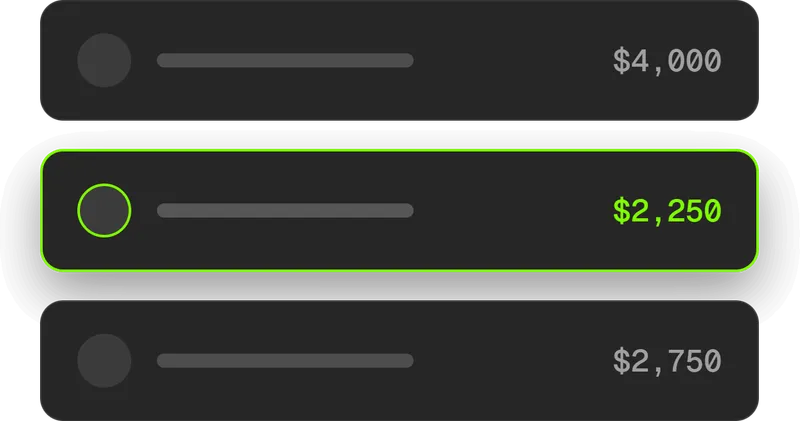
Post a wireframing and prototyping gig in 60 seconds. Describe the work, set your budget and timeframe, and choose whether it's time-based or outcome-based. Local freelancers send a bid with a quote, you compare their profiles, portfolios and verified reviews, then pick the one that fits. Posting a gig is free. When you accept a bid, each stage is the freelancer's price, plus GST if they're registered, plus our 5% platform fee (worked out on the price before GST, GST included). A $1,000 stage from a GST-registered freelancer comes to $1,150.
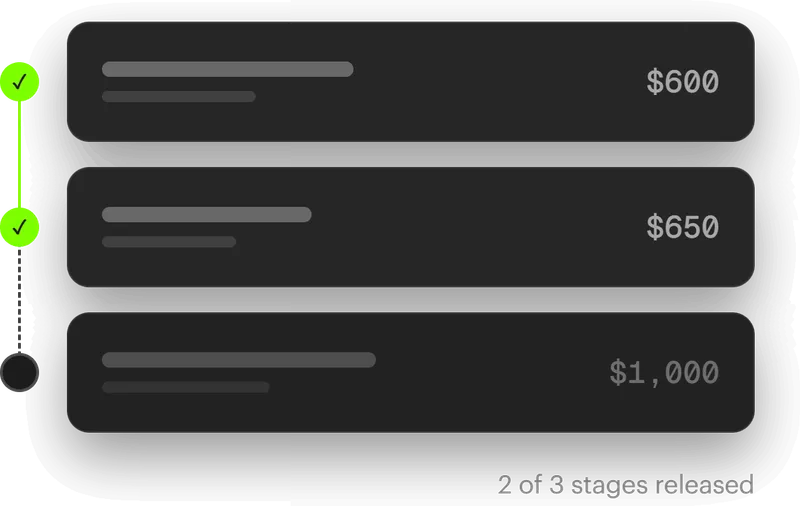
Every gig runs on a payment schedule you both agree on up front, and every payment runs through Stripe. On an outcome-based gig each stage is charged before the work starts and held by Unjumble until sign-off, or until it pays out on its own 14 days after it's submitted. On a time-based gig you're charged for each month as it starts, and it pays out when the next month starts unless you raise an issue.