Web and Application development specialist with 28 years experience.
A.I. integrations and automation for small businesses.
Wordpress specialist - Custom development and integrations, website recovery and remediation, new websites.
KLD Marketing is a B2B marketing consultancy run by Kristy, working with construction, civil, infrastructure and engineering businesses across Newcastle and the Hunter. I write content and articles built for AI search visibility, manage LinkedIn and set marketing direction, so what a buyer finds reflects what your business can actually do.
Graphic Design (Signage, Posters, Digital & Print)Advertising & Marketing Creative+15
I help ecommerce and B2B businesses grow through paid media and hands-on marketing management. With 13+ years across brands and startups, I bring the strategy and deliver it.
I founded my own boutique media agency Agnes Media in 2020, thagrew it to 14 people and sold it to Awaken in 2023. My experience spans Qantas, Klarna, L'Oréal, Optus and Volkswagen Group.
For Life Street, I led a complete rebrand and built a connected marketing tech stack across CRM, analytics and ad platforms. The work brings earned, owned, paid and shared media together: creative and video development, ad campaigns, email, account-based marketing and PR.
Available for short term and ongoing work.
Featured in Mediaweek, Mi3, B&T and Mumbrella
Logo & Brand IdentityAdvertising & Marketing Creative+19
I’m a Creative Director, marketer, writer and content creator. I love bringing campaigns to life, telling stories, and turning dreams into actionable strategies. My experience in communications and marketing spans non-profits, small business, creative spaces, and corporate and consumer brands.
Communications professional with global experience shaping narratives for high-growth companies across B2B and consumer. My experience spans the full spectrum of comms, from media relations and executive thought leadership, to content and messaging development.
Marketing Data & CRM Specialist | Marketing Analytics | Customer Data
I specialise in marketing analytics, CRM and customer data, using SQL, Python, Power BI and leading marketing platforms.
My experience spans retail, loyalty, financial services and higher education.
What I can help ewith
• Customer data preparation and analysis
• Power BI dashboards and performance reporting
• SQL and Python data analysis and automation
• Salesforce, Salesforce Marketing Cloud, Braze, Adobe RT-CDP and Unica
The mix depends on the goal, but it usually covers media relations (building a list of the right journalists and pitching them your story), writing press releases and media kits, and a communications plan for how and when you'll say things. Some gigs add award entries, podcast and speaking outreach, or crisis messaging if something's gone wrong. The aim is earned coverage, getting your story in front of the right people through outlets they already trust, rather than paying for an ad.
Advertising is space you pay for and control; PR is coverage you earn and influence but don't own. A paid ad says what you want exactly how you want it; a PR win is a journalist or publication choosing to tell your story, which carries more trust because it isn't bought. The trade-off is control: you can't guarantee the angle or the timing. The two work best together, but they're different jobs with different freelancers.
Not always, and not the way a big brand does. PR earns its keep when you've got a genuine story (a launch, a big moment for the business, a local angle, a founder worth profiling) or when you want third-party credibility that ads can't buy. If you've got nothing newsworthy yet, your money's better on the channels that drive sales directly. The honest test: would a journalist's readers actually care, or is it only interesting to you?
It's the relationship side: knowing which journalists, editors and outlets cover your space, and pitching them stories they'd want to run. A freelancer with real contacts can get your pitch read instead of binned, which is most of the battle. It's slow-built and reputation-based, so a freelancer who already covers your sector or region is worth more than a bigger generic list. Cold-pitching a hundred journalists rarely beats a warm intro to the right three.
A real story, told the way a journalist needs it: a clear newsworthy hook in the first line, the facts up top, a usable quote, and the boring details (dates, numbers, contact) easy to find. The common mistake is a release that's an ad in disguise, all adjectives and no news. A good freelancer finds the genuine angle (a local first, a surprising number, a human story) and writes it so an editor can almost run it as-is.
Slower than paid channels. A single announcement might get coverage in a few weeks, but PR really works as an ongoing effort: relationships, repeated pitches and a steady drip of stories over months. Don't expect one press release to change your year. A one-off launch push is a few weeks of work; building genuine media presence is a longer, ongoing gig. Set the expectation up front so success is measured fairly.
For local and community coverage, often yes, your local paper or regional radio may well run a good story if you pitch it well, and tools like a media database help. Where a freelancer earns their keep is contacts and angle: they know which journalists to approach, what hook will land, and how to write a pitch that gets opened. AI can help you draft a release, but it can't build a relationship with an editor or judge whether your story is genuinely newsworthy.
Bring the story and the assets: what's actually happening, why now, any numbers or milestones, and high-res photos or a founder available for interview. Be clear on the goal, local awareness, industry credibility or crisis response are different jobs. The more genuinely newsworthy material you hand over, the more a freelancer has to work with. There's a limit to what even great PR can do with a story no one outside the business cares about.
In Newcastle-Maitland, a one-off push like a launch announcement and media outreach typically runs $2,000 to $6,000. Ongoing PR is usually a monthly retainer, commonly $2,000 to $6,000 a month for a small business, scaling up with ambition and outlet reach. Some freelancers charge a day rate of $700 to $1,100 for comms planning or crisis work. What you pay tracks the freelancer's contacts and how active the campaign is.
Rates run about $95 to $225 an hour. The middle of the band covers account executive and account manager level, which handles the day-to-day: writing releases, building media lists and chasing follow-ups. Toward $225 you're paying for account director level, and in PR that premium is mostly relationships. A director who already knows the right journalist gets a result the same pitch won't get cold. Most PR is bought as a monthly arrangement rather than hourly, and media costs and wire distribution sit outside the freelancer's fee.
Contacts and sector fit matter most: someone who already covers your industry or region beats a bigger generic network. Ask for coverage they've actually secured (the links, not a promise) and how they'd angle your story. Be wary of anyone guaranteeing specific placements, no honest PR person controls what a journalist runs. Read their verified reviews on Unjumble for whether the coverage was real and relevant, and check they're clear on what success looks like before you start.
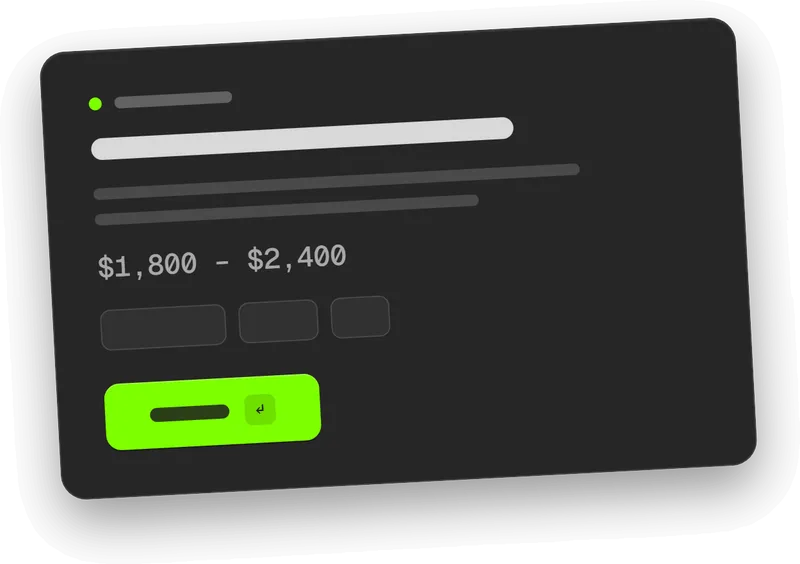
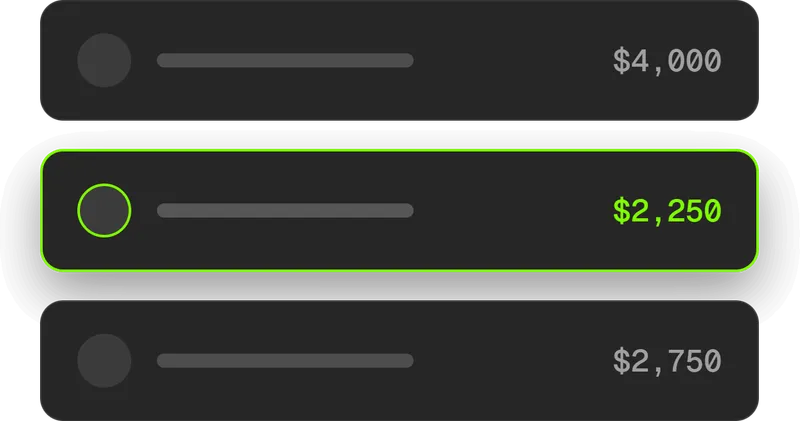
Post a PR and communications gig in 60 seconds. Describe the work, set your budget and timeframe, and choose whether it is time-based or outcome-based. Local freelancers send a bid with a quote, you compare their profiles, portfolios and reviews, then pick the one that fits. Posting a gig is free. When you accept a bid, each stage is the freelancer's price, plus GST if they're registered, plus our 5% platform fee (worked out on the price before GST, GST included). A $1,000 stage from a GST-registered freelancer comes to $1,150.
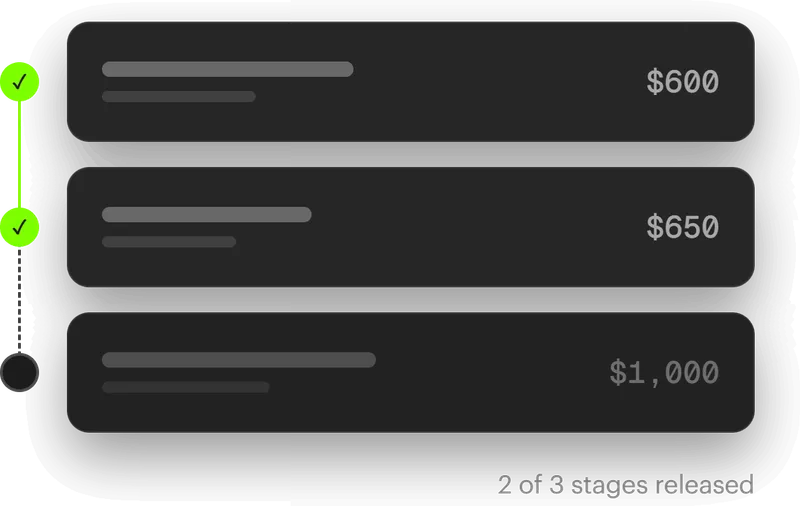
Every gig runs on a payment schedule you both agree on up front, and every payment runs through Stripe. On an outcome-based gig each stage is charged before the work starts and held by Unjumble until sign-off, or until it pays out on its own 14 days after it's submitted. On a time-based gig you're charged for each month as it starts, and it pays out when the next month starts unless you raise an issue.