What do Google Ads freelancers charge on Unjumble?
Nationally, the middle half of Google Ads freelancers on Unjumble who list a rate set $65 to $150 an hour, with a midpoint of $125, from 24 rates. Those are their own figures, before the fee, and they cover time only: ad spend is separate. Of the 65 who state their experience, 39 have 10 years or more, so you're pricing alongside senior people. Price a setup or an audit as a fixed project, and ongoing management as a monthly retainer with the hours or tasks written down.
Should my quote include the ad spend?
No. Quote your management fee and keep the ad spend out of it. Set the account up so the business pays Google directly, on their own card, and your bid covers your work only. Say what monthly budget you've planned around, because a small budget and one ten times bigger are different amounts of work. If you usually charge a percentage of spend, set a minimum and turn it into a fixed monthly figure for the bid, since the price is agreed up front on a payment schedule.
What kinds of Google Ads gigs do small businesses post?
Google Ads work for small businesses usually comes in three shapes: setting up a first account properly, auditing one that's spending without results, and managing campaigns month to month. Setup covers conversion tracking, Search or Performance Max campaigns, keywords and ad copy. Audits tend to turn up tracking that isn't firing, broad match wasting spend, or missing negative keywords. Google Ads freelancers on Unjumble most often also list Meta Ads, Marketing Strategy & Planning and SEO, so if you run more than one channel, say so in your profile.
What wins a Google Ads bid?
A plan for their account, not a list of your certifications. Say what you'd check first (conversion tracking, search terms, location settings), what you'd change in the first month, and how you'll report it. Be straight about the learning period after changes, and never promise a cost per lead before you've seen their data. Name similar businesses you've run ads for, with a result in plain terms, such as cost per enquiry before and after. A current Google Ads certification from Skillshop backs up the plan, but it doesn't replace it.
What should a Google Ads portfolio show?
Results with context, not screenshots of clicks. For each account, show the starting point, what you changed and the outcome a business owner cares about (enquiries, sales or cost per lead) over a stated period and budget. Blur the client's name and search terms if you don't have permission to share them. One before and after audit, showing tracking you fixed or wasted spend you cut, says more than a dashboard full of impressions. Keep it honest: a smaller result you can explain beats a big one you can't.
Who should own the Google Ads account?
The business. Run their ads in an account they own and pay for, then link it to your manager account so you can work in it without holding the keys. A manager account lets you look after several clients from one login, the business keeps control of its own account, and its admins can unlink you at any time. Make sure the account has at least two admins on their side. At handover, give them the conversion tracking setup, a note on what's running and why, and a final report, then remove your access.
What admin should I sort before taking on ad management?
Your ABN, GST, and how your tracking handles personal information. You'll need an ABN connected to complete a gig on Unjumble, and you must register for GST once your GST turnover reaches $75,000. If you install conversion tags or pixels for a business covered by the Privacy Act, set them to collect only what's reasonably needed and make sure their privacy policy discloses them. Ad management is advice a client can lose money on, so professional indemnity insurance is worth a look. Check your own situation with your accountant.
What fees come out of a Google Ads gig, and when do I get paid?
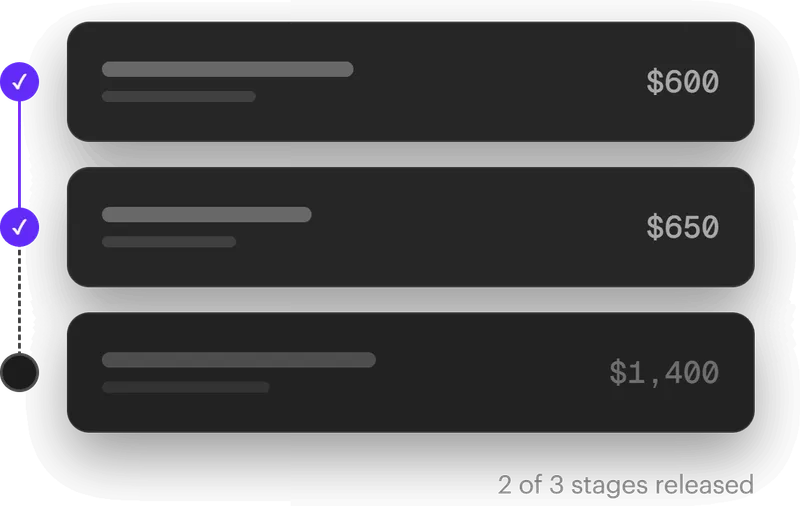
A 20% connection fee comes out of each stage or month until you've completed a gig with that business, then a 10% repeat fee on later gigs with them. It comes out of your price, so keep ad spend out of the bid and the fee only touches your management fee. Ongoing management suits a retainer: each month is charged as it starts and pays out to you when the next month starts, unless the business raises an issue. A setup or audit runs as a project, paid stage by stage. More on
how fees work.