What do blog and content writers charge on Unjumble?
Between $65 and $150 an hour, with a midpoint around $110, going by the 26 writers on Unjumble who list a rate. Those are their own figures, set before the fee. Businesses think in posts, not hours, so turn your rate into a price per post: work out how long a typical post takes you with research, interviews and one round of edits, then multiply. Avoid pricing search-led posts per word, because the research is the slow part, not the typing.
How should I price a blog post or a monthly content pack?
Price from your hours, then package it. If a 1,000-word post takes you 3 to 5 hours with research and one round of edits, that's $330 to $550 at the $110 midpoint, before the fee. A regular pack, say 4 posts a month, suits a retainer: a fixed monthly price for an agreed number of posts, word counts and edit rounds. Price interviews with subject experts, keyword research and loading posts into their website as separate lines, because that's where the hours hide.
What kinds of writing gigs do businesses post?
Mostly regular blog posts for a small business's website, written to bring in search traffic for the services they sell. Around those sit case studies, newsletters, service and category page copy, and pieces shaped from a founder's notes or a recorded chat. Some businesses want the content plan and the writing; others already have topics and want a writer who turns them around every month. Refreshing older posts that no longer bring in traffic is work too, and a natural way into an ongoing retainer.
What wins a content writing bid?
Samples in their industry, or close to it, and 2 or 3 topic ideas for their business in the bid itself. That shows you've looked at their site and know what their customers are searching for. Say how you'll get their expertise into the posts, such as a 20-minute call with the owner, their FAQs or past quotes, because owners worry a writer will hand back generic filler. Finish with your edit rounds and turnaround per post, so they can compare bids on more than price.
What should a writer's portfolio show?
Published pieces with live links, grouped by industry so a business can find something close to theirs fast. For each one, note the goal and what happened, such as a post that now ranks for a target search or a case study the client uses in sales. Ghostwritten work counts if the client agrees; if not, describe it without the name. Include at least one piece written in someone else's voice, such as a post published under a business owner's name.
What tools and handover do businesses expect from a writer?
Drafts in Google Docs or Word with tracked changes on, then the final in the format they publish from. If they run WordPress, Shopify or Squarespace, ask in your bid if you're loading the post as a draft with headings, links, image alt text and a meta title and description, and price it if so. If you do keyword research, name your tool, such as Semrush, Ahrefs or Google Keyword Planner, and hand over the target search term for each post so they can track it.
Who owns the post, and can I use AI to help write it?
The business owns your writing only if your agreement transfers it: in Australia, a contractor keeps copyright in what they create unless it's assigned, and an assignment must be in writing. Common set-ups are assigning copyright on final payment, or the business owning everything while you keep the right to show it in your portfolio. On AI, copyright needs a human author, and protection for AI-assisted text is unclear, so tell the business how you use it. Any claims in the post must be ones the business can back up under consumer law.
What fees come out of a writing gig, and when do I get paid?
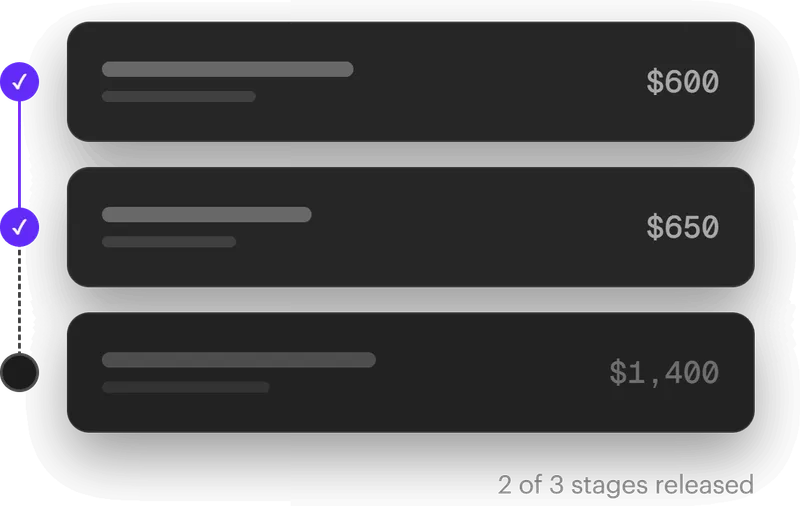
A 20% connection fee comes out of each stage until you've completed a gig with that business, then a 10% repeat fee on later gigs with them, so build it into your price. Each stage pays out when the business signs it off, or on its own 14 days after you submit it unless they raise an issue. That makes staging worth getting right: split a bigger content gig into stages such as the content plan, the first batch of posts and the rest, so you're paid as you go, not all at the end. More on
how fees work.