$50–100/hr Indicative. Bids set the price.
Find a local UI designer in Perth
Post a gig in 60 seconds, get bids from UI designers nearby. You pick the one that fits.
Free to postStripe-secured payments1,090+local Aussie freelancersABN required
Best UI designers in Perth
Ranked by verified rating, review volume, proximity and profile completeness. Every freelancer who works on Unjumble has an ABN connected and an Australian mobile.
Showing 2 of 2 freelancers.

Adrian P.
ABN verifiedI’m Adrian, Creative Director and founder of TrillCo., an independent branding and creative studio in Perth. I specialise in brand strategy, visual identity, graphic design and campaign creative, with particular expertise in sport. I help businesses, clubs and organisations turn ideas into distinctive, practical creative that works across digital, print and real-world touchpoints. Available for project-based work or ongoing freelance support.
$125–188/hr Indicative. Bids set the price.
What's the cost of a UI designer in Perth?
$135/hr
$88 Most sit around $135 $188
UI designer From 35 freelancer rates updated today
Down the road
Based elsewhere in Australia, working with Perth businesses remotely.

I'm Cecilia, a creative director with almost 20 years turning brands, books and podcasts into work people remember. Cover art for iHeart, Nova and Mamamia. Bestselling book covers. Business Chicks events with Richard Branson and Sarah Jessica Parker in the room. I work with people who know what they want (or trust me to find it), value clear communication over endless revisions, and want a brand that looks as sharp as it sounds. Sydney based, clients everywhere.
$88–119/hr Indicative. Bids set the price.

I’m Sabina, a creative consultant with 15 years of experience across healthcare, construction, and lifestyle. I skip the middle management and agency overheads to work with business owners who value long term brand equity over temporary or short term gains. I bring equal polish to boutique branding and complex corporate assets. I adapt to your scope, ensuring your brand stays authentic to its ethos while maintaining the highest standards and output.
$94–150/hr Indicative. Bids set the price.

Hi, I’m Susan, a seasoned copywriter, creative and wordsmith. Whatever you need writing - from a social post to a full brand story - I’ll find the perfect words for you. And if you need brand strategy, brand design, social content, or digital expertise, I know the perfect people to help. I’m fast, good and affordable - not often you find all of those in one sentence!
$119–188/hr Indicative. Bids set the price.
What is Unjumble?
Post a gig. Pick a local freelancer. Pay in stages. All in one web app. Finding great help shouldn't be hard work.
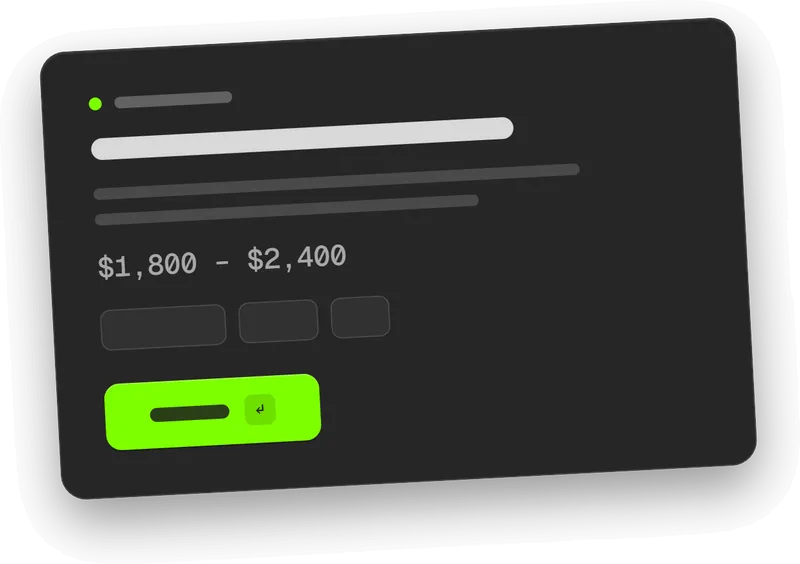
Post a gig.
01Tell us what you need, time-based or outcome-based. Takes 60 seconds and it's free to post.
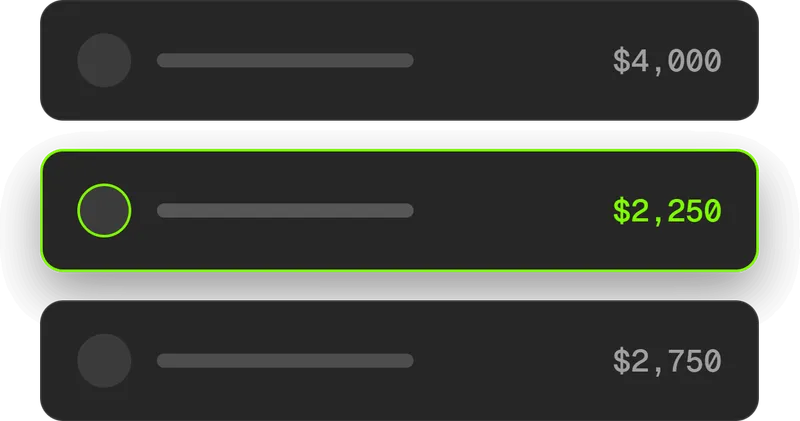
Pick a person.
02Compare bids from local freelancers, view portfolios and past work.
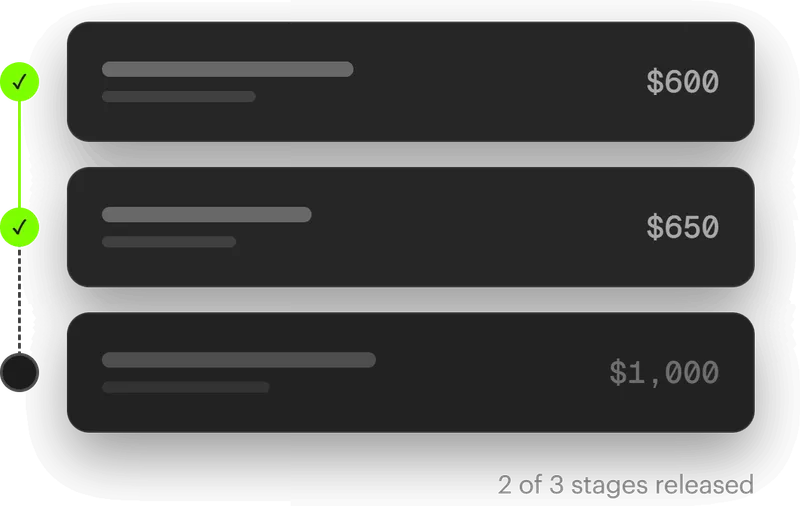
Wrap it up.
03When the work lands and you're happy, sign it off and release the payment securely through Stripe. Done and dusted.
UI designer in Perth, questions
UI design is the visual layer of your screens: layout, colour, typography, spacing, icons and buttons, plus every state a component can be in (default, hover, active, disabled, error, empty, loading). A typical gig covers a short brief, a visual direction or two, the key screens designed in full, and a tidy set of reusable components. You usually get the lot as a Figma file the developer can build straight from.
UI is the look: the colour, type, spacing and components that make a screen feel right. UX is the how: the flows, the screen order and the logic that make the thing actually work for the person using it. UX decides where the button goes and why; UI decides what it looks like. A polished UI on a broken flow still frustrates people, so most jobs need both, but they're separate skills and you can hire for one at a time.
Consistency and clarity over decoration. Good UI uses one type scale, a tight colour palette and the same component everywhere, so a button always looks like a button and the important thing is the thing that stands out. It also covers the unglamorous states (errors, empty screens, loading) that cheap design skips. If a new screen feels familiar the moment someone lands on it, the UI is doing its job.
All the states and edge cases, not just the happy path. That means error messages, empty states before any data exists, loading and skeleton screens, long-text and short-text versions, and how it reflows on a narrow phone. It's worth asking the freelancer to design these up front, because they're the screens your developer hits halfway through the build and the ones a half-finished design leaves out.
A small set of screens for one feature usually runs 1 to 2 weeks. A full app or website UI, with a component set and all the states, more often runs 3 to 6 weeks. The biggest variable is screen count and how many states each one needs, so list the screens in the gig. Sign-off time on your side is the other thing that stretches it, so agree up front who has the final say.
You can get a long way with an off-the-shelf template or a kit in Figma or Canva, and for an early test that's fine. The catch is the fit: templates rarely match your exact content, your brand or the odd states your product throws up, so you end up bending your idea to the template. A UI designer builds screens around how your thing actually works, in proper component files you and your developer can extend later.
A structured Figma file (or similar) with the final screens, a reusable component library, your colour and type styles defined as tokens, and the states laid out for each component. Ask for the file organised so a developer can inspect spacing and export assets, plus a short note on the type scale and colour codes. If the design uses custom icons or images, confirm you're getting those source files too.
Usually, yes. Settle the flows and screen order first (the UX), then design how they look (the UI), because it's quick to move boxes around in a wireframe and slow to redo a fully styled screen. If the flows are already sorted, a UI gig on its own makes sense. If you're not sure what the screens even are yet, start with UX or a wireframing gig, then bring in UI once the structure holds.
In Perth, UI design for a small feature or a handful of screens often runs $1,000 to $3,000. A full app or website UI with a component set and all the states more typically lands at $4,000 to $10,000, and larger products go beyond that. Price tracks screen count, how many states each needs, and whether a reusable component library is part of the deliverables.
Hourly rates run about $88 to $188. Nearer $88 that's a junior, which is reasonable when a component library already exists and the work is applying it to new screens. The middle of the band covers most UI gigs, a designer who'll build the component set itself, handle every state properly (empty, loading, error, too much text) and hand developers something they can build without guessing. That state work is the usual difference between a UI that demos well and one that survives real data.
Look for a portfolio of real interfaces, apps and web products, not just posters or branding, and check the detail holds up: consistent spacing, clear states, screens that feel buildable. Confirm they hand over an organised Figma file with components and tokens, ask how many revision rounds the gig includes, and read their verified reviews on Unjumble. A quick chat about your product tells you fast whether they get it.
Post a UI design gig in 60 seconds. Describe the work, set your budget and timeframe, and choose whether it's time-based or outcome-based. Local freelancers send a bid with a quote, you compare their profiles, portfolios and verified reviews, then pick the one that fits. Posting is free, so you only pay for the work.
Every gig runs on a payment schedule you both agree on up front, and every payment is held securely through Stripe. On an outcome-based gig you fund each stage before the work starts and it's released once you sign off. On a time-based gig you're charged for each month as it starts, and it's released to your freelancer once that month's been worked. No chasing invoices, and no paying for work that's not done.
1,090+ local Aussie freelancers
One platform, brief to final payment
Two-factor secured
ABN connected
Paid securely through Stripe
No PAYG, pay per gig